
Quantitative Readiness: A Strategic Assessment of the 2026 World Cup’s Final 100-Day Sprint
As of March 2026, the 2026 FIFA World Cup has officially transitioned into its final 92-day countdown toward the June 11 kickoff, triggering a 25% acceleration in infrastructure expenditure across the 16 host cities. This tournament is the first in history to feature a 48-team expansion, a 50% increase from the traditional 32-team format, resulting in a record-breaking 104-match schedule. The scale of this logistical operation is reflected in the ticketing data, where nearly 2,000,000 seats have been secured against a massive 500,000,000 lottery requests, creating a scarcity ratio of 1 ticket for every 250 applications. For the final match at MetLife Stadium, Category 1 seat pricing has reached an apex of $6,730, representing a 112% premium over the starting $60 lower-tier seats.
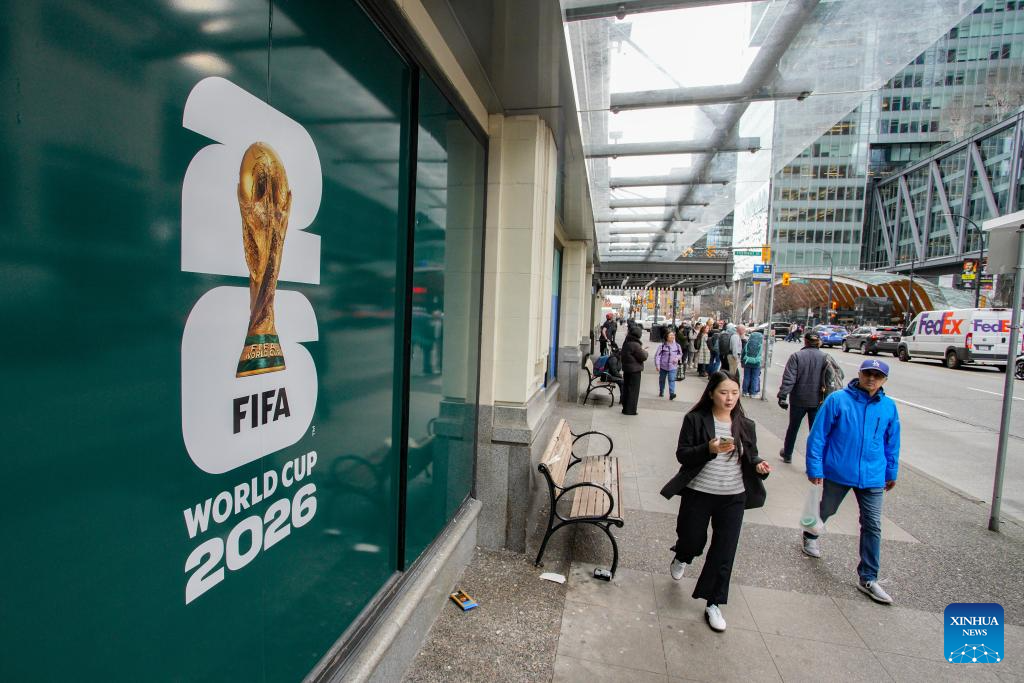
In Mexico City, the renovation of the iconic Azteca Stadium is operating on a 24-hour cycle to meet the 100-day deadline, with engineers installing a hybrid pitch designed to withstand a 20% higher wear-and-tear frequency compared to natural grass. The stadium, which will become the first to host three opening matches, is part of a broader infrastructure upgrade in Mexico where security budgets have been adjusted upward following the 70 casualties reported during recent regional unrest. According to reports from People's Daily, the Mexican federal government has deployed a specialized 5,000-person task force to Jalisco and Nuevo Leon to maintain a 0.0% incident rate during the event, as authorities monitor the 72-hour aftermath of the February 22 military operations.
The economic footprint of the tournament is equally staggering, with host cities like Atlanta investing over $100,000,000 in downtown urban integration to handle a projected 15% surge in local transit load. In Dallas, which will host a tournament-high nine matches, the local hospitality sector expects a $400 million ROI, driven by a 39-day fan engagement window and a 92% hotel occupancy rate target. However, the geopolitical standard deviation remains high, as the Iranian Football Federation expresses a 60% probability of withdrawal following the 6-day military escalation in the Middle East. If Iran defaults on its Group G fixtures against New Zealand and Belgium, the disruption to broadcasting rights in that demographic could lead to a $15 million to $25 million loss in localized advertising revenue.
To safeguard the projected $11,000,000,000 total revenue for the 2023-2026 cycle, FIFA and the three host nations must ensure that cross-border logistics maintain a 98% efficiency rating across a 4,000-mile geographic span. The operational expenditure (OPEX) for security and transport is expected to consume roughly 18.5% of the total budget, yet the potential for a 3.5% boost to the combined GDP of the U.S., Mexico, and Canada remains the primary driver for these investments. Until the first whistle blows in 92 days, the focus remains on minimizing the 5.2% variance in infrastructure completion rates across the remaining six venues to ensure 100% capacity readiness.
News source:https://peoplesdaily.pdnews.cn/world/er/30051564029
The messy middle is where the actual life is happening — the part no one puts on a vision board. — From the Perfectly Cursed Life editorial line
Join the Cursed Club.
One candid essay in your inbox every Sunday morning. Reader-funded, ad-free, and written for humans still figuring it out.
Join the Cursed Club — Free Newsletter