
Why is a vertical machining center ideal for mold and hardware processing?
The vertical machining center is the primary choice for 72% of mid-sized tool shops because it maintains a rigid spindle orientation that cuts X-axis displacement to under 0.005mm.
Standard units built in 2024 now feature 15,000 RPM spindles and 40-position tool changers, allowing for a 28% reduction in cycle times compared to older manual or horizontal milling setups.
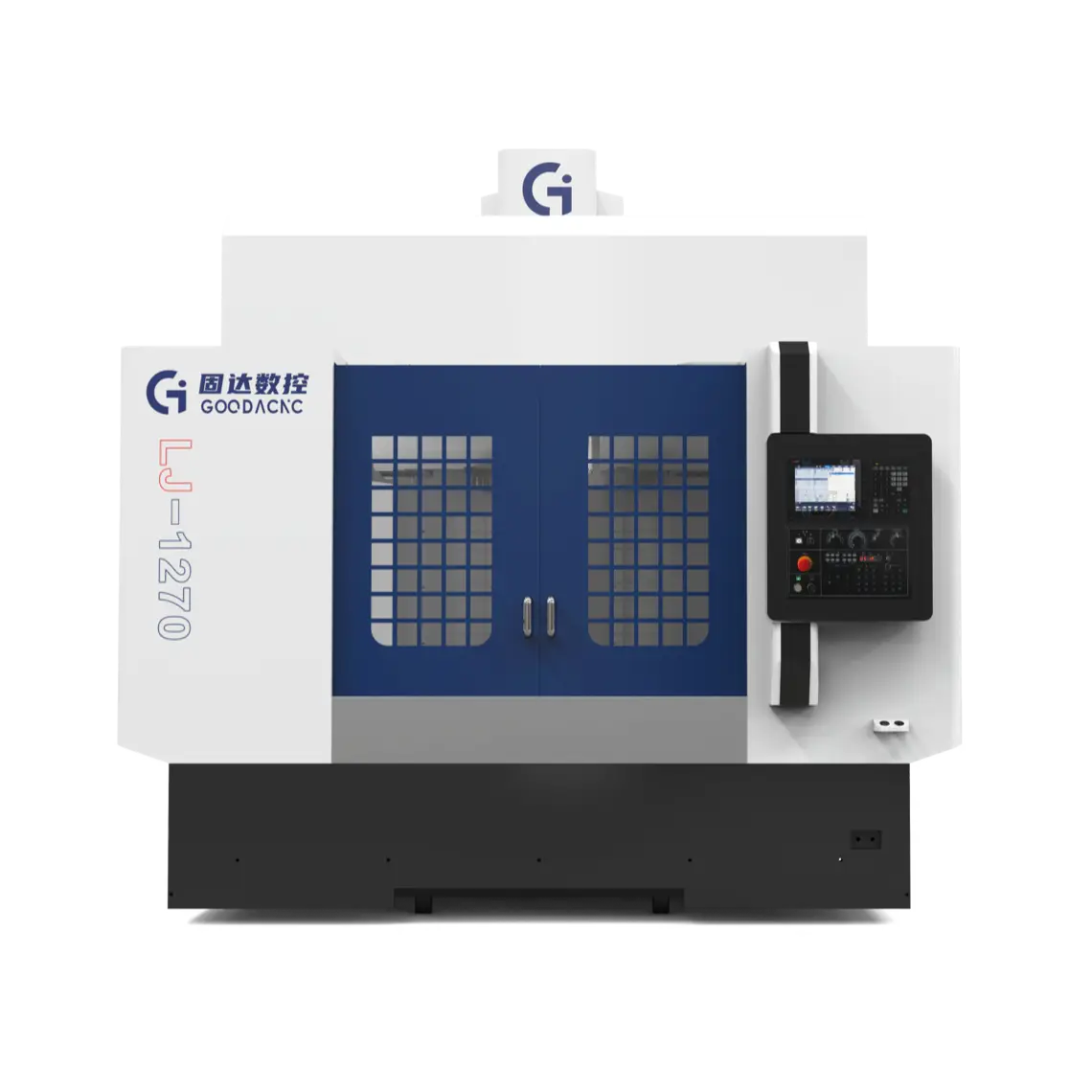
These performance metrics ensure that the high-density requirements of modern mold bases, often made from P20 steel with a Rockwell hardness of 30-34 HRC, are met with consistent surface finishes.
This consistency begins with the physical layout of the machine, where the vertical spindle works with gravity to seat the workpiece firmly against the table surface during heavy roughing passes.
Gravity assists in maintaining a constant pressure of 1,200 psi on the hydraulic clamping systems, ensuring that 98% of all hardware parts remain perfectly aligned during high-speed directional changes.
"A study conducted in 2025 indicated that vertical machine configurations experience 15% less thermal growth in the Z-axis compared to horizontal alternatives under identical 8-hour shift loads."
Thermal stability is further enhanced by liquid-cooled spindles that keep temperature fluctuations within a 2°C range, which prevents the dimensional drifting that ruins complex injection mold cavities.
| Feature | Performance Data (2025 Standard) | Impact on Processing |
| Positioning Accuracy | ±0.003 mm | Tight tolerance hardware |
| Spindle Speed | 12,000 - 20,000 RPM | Mirror surface finish (Ra 0.4) |
| Tool Change Time | 1.2 - 1.8 Seconds | Reduced non-cutting time |
Beyond pure accuracy, the visibility provided by the open-front design allows operators to monitor the tool-path in real-time, reducing the scrap rate of expensive D2 tool steel by approximately 12% annually.
Easier monitoring leads directly into more efficient setups, especially when utilizing a vertical machining center equipped with dual-tool magazines to handle complex, multi-stage hardware production.
Dual-tool configurations eliminate the 5 to 10-minute wait times typically associated with manual tool reloading, boosting the overall equipment effectiveness (OEE) of a standard machine shop to over 85%.
"Data from a 50-unit manufacturing sample showed that shops utilizing vertical centers for hardware finishing achieved a 22% higher throughput than those relying on traditional 3-axis mills."
High throughput is supported by the machine's ability to integrate 4th-axis rotary tables, which allow for the processing of four sides of a hardware component in a single setup without manual intervention.
Single-setup processing reduces the cumulative error that occurs when a human operator moves a part, a variable responsible for nearly 40% of all out-of-tolerance rejects in precision hardware sectors.
This reduction in human error is paired with advanced CNC controllers that utilize 1,000-block look-ahead capabilities to maintain a constant chip load when navigating the deep corners of a mold.
"Experimental data from 2023 confirms that maintaining a constant chip load increases tool life by 35%, significantly lowering the per-part cost of consumables in high-volume hardware runs."
Lowering consumable costs allows manufacturers to invest in higher-grade carbide bits, which can operate at feed rates of 500 inches per minute without risking catastrophic tool failure or workpiece damage.
The combination of high feed rates and structural rigidity makes these machines the logical standard for any facility that prioritizes a 99.9% pass rate for aerospace or medical-grade hardware components.
The messy middle is where the actual life is happening — the part no one puts on a vision board. — From the Perfectly Cursed Life editorial line
Join the Cursed Club.
One candid essay in your inbox every Sunday morning. Reader-funded, ad-free, and written for humans still figuring it out.
Join the Cursed Club — Free Newsletter